Gachiakuta Manga: The Complete Breakdown Every Fan Needs Before Chapter 1
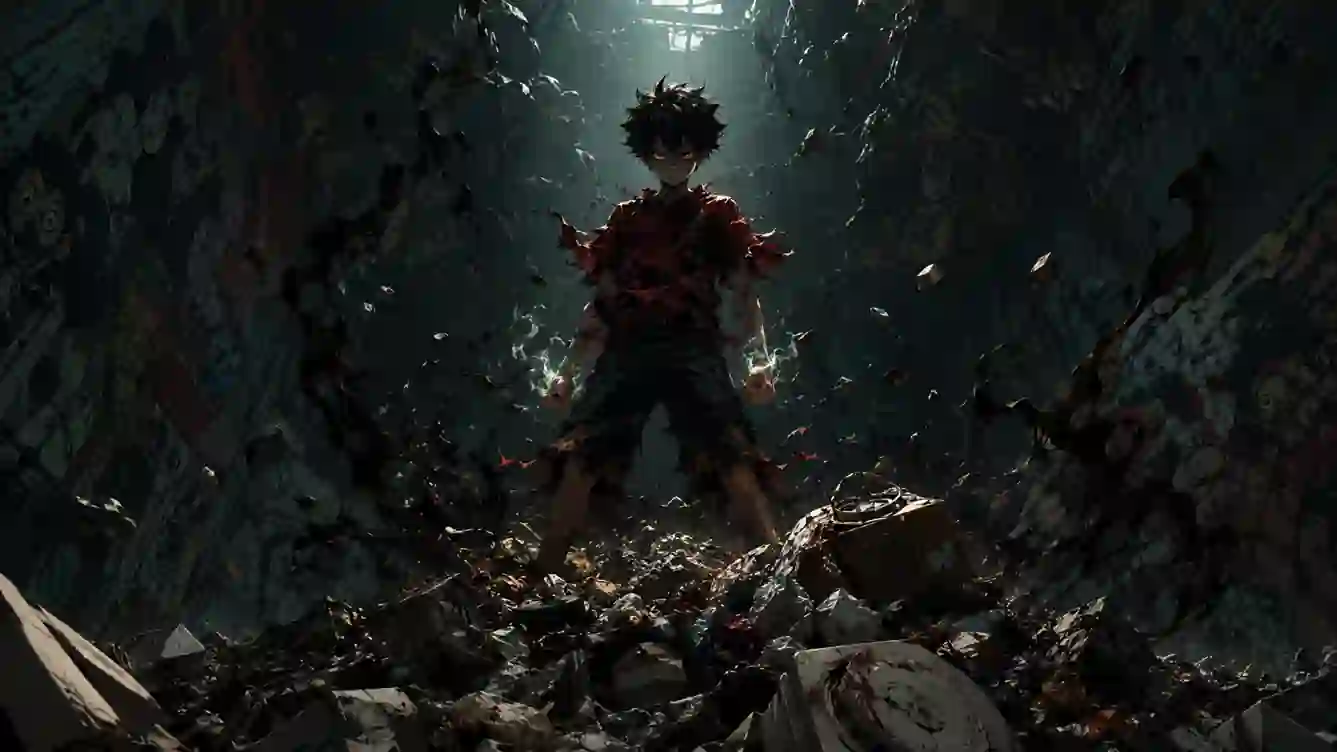
You scroll through endless manga recommendations, half-interested, until one cover stops you cold. A boy stands defiant, trash swirling around him like living shadows, eyes burning with fury. That’s Gachiakuta manga—and that single image sparked my 72-hour obsession where I read every available chapter without sleep.
Kei Urana’s dark fantasy isn’t just another battle shonen; it’s a raw story about class warfare, discarded people, and the beautiful things we throw away. If you haven’t started Gachiakuta yet, this guide gives you everything without spoiling the gut-punch moments that make it special.
What Is Gachiakuta Manga? The Origin Story Behind the Hype
Gachiakuta manga launched in Weekly Shonen Magazine in February 2022, created by Kei Urana with graffiti art by Hideyoshi Andou. Urana previously worked as an assistant to Atsushi Okubo, creator of Fire Force and Soul Eater—and that influence shows in the sharp, angular art style and dynamic action panels.
The premise hits hard from page one. A boy named Rudo lives in a slum built inside a massive walled city, where the wealthy elites above dump their trash—and occasionally their unwanted children—into the abyss below.
When Rudo is falsely accused of murder and thrown down, he discovers the Pit, a nightmare realm where discarded objects mutate into monsters. But Rudo has a strange power: objects he cherishes become weapons in his hands. The trash literally fights back.
What separates Gachiakuta from standard shonen fare is its unflinching look at waste culture. Everything society discards—broken toys, worn clothes, unwanted humans—gains new purpose and terrifying power in the Pit. The metaphor isn’t subtle, and that’s precisely why it works.
Complete Reading Guide: Where to Read Gachiakuta Manga Legally
Finding Gachiakuta manga through official channels supports Urana directly and guarantees high-quality translations. Here’s where you can read it right now:
- Kodansha’s K Manga app (United States) offers simulpub chapters the same day Japan gets them, with the first few chapters free for new readers
- Print volumes available through Kodansha USA, with Volume 1 covering chapters 1-4 in crisp physical format
- Bookwalker and Amazon Kindle stock digital versions, usually priced $7-9 per volume
As of mid-2026, Gachiakuta has released 12 compiled volumes in Japan, with the English translation catching up steadily. New chapters drop weekly in Weekly Shonen Magazine. I’d recommend starting from Chapter 1 rather than jumping into current arcs—Urana’s visual storytelling builds layer by layer, and you’ll miss crucial character moments otherwise.
Complete Chapter List and Story Arc Breakdown
| Arc Name | Chapters | Key Events |
| The Slums Arc | 1-8 | Rudo’s false accusation, exile to the Pit, first power awakening |
| Cleaners Introduction Arc | 9-22 | Meeting Engine and the Cleaners organization, learning the power system |
| The Raiders Arc | 23-38 | First major antagonist group appears, major battle sequences |
| The Sphere Arc | 39-52 | Deep lore reveals, underground society politics |
| Current Arc | 53+ | Ongoing weekly releases with escalating stakes |
Main Characters Who Define Gachiakuta Manga
Rudo carries the story as our protagonist—a slum kid with volcanic anger issues and a fierce protective instinct toward anyone who shows him kindness. His power “Animism” lets him channel emotional attachment into objects.
A childhood blanket becomes armor. A broken watch turns into a blade. His growth from vengeful fury to controlled determination forms the emotional backbone of Gachiakuta.
Engine commands the Cleaners, a group patrolling the Pit. He’s calm, calculating, and hides significant combat capability behind a mentor’s patience. His dynamic with Rudo shifts between fatherly guidance and battlefield command.
Regto appears in flashbacks as Rudo’s foster father figure in the slums. His death catalyzes everything—but Urana seeds his philosophy throughout the story, making him present even in absence.
The supporting cast—Zanka, the fierce Cleaner with her own grudge against the surface world, and Amo, whose mysterious abilities tie into the larger lore—each get meaningful development rather than being reduced to power-level markers.
The Power System: How Animism Works in Gachiakuta
Gachiakuta manga’s combat system ties directly to its themes. “Animism” transforms emotional bonds into physical power. Rudo does not just pick up any weapon; things that he truly loves react to his commands, becoming more powerful the more deeply he attaches himself to them.
This creates fascinating tactical limitations. A Cleaner who treats their weapon as disposable gets mediocre results. Someone who genuinely loves a worn-out tool can make it devastating. The system rewards sentiment over utility—a direct rebellion against the surface world’s discard mentality.
Vital Instruments (VIs) serve as the primary weapon class, each unique to its wielder based on personality and history. Watching Rudo discover new facets of his power through emotional breakthroughs rather than training montages keeps the progression feeling organic rather than formulaic.
Kei Urana: The Creative Force Behind the Series
Kei Urana’s background shapes Gachiakuta’s visual identity. Training under Atsushi Okubo taught her dynamic composition and how to make impact panels hit like physical blows. But Urana developed her own sensibility—grittier, more textured, with a fascination for urban decay and repurposed materials.
Hideyoshi Andou’s graffiti art integration deserves separate praise. Background tags and murals appear throughout the Pit, telling their own story about the people living there. It’s not decorative; it’s environmental storytelling at its finest.
Urana has mentioned in rare interviews (including a 2023 Kodansha creator spotlight) that the manga’s waste theme drew inspiration from visiting landfills and considering what “trash” actually means when people live among it. That firsthand observation bleeds into every panel of the Pit’s design.
Why Gachiakuta Manga Stands Out in Modern Shonen
The crowded shonen landscape makes standing out difficult, yet Gachiakuta manga carves distinct territory through:
- Class commentary baked into every story beat rather than superficial lip service
- Visual grit that makes the Pit feel genuinely hostile rather than adventure-park dangerous
- Emotional power scaling where attachment, not training arcs, determines combat growth
- Waste culture critique applied to both objects and people, creating uncomfortable parallels
- Pacing discipline—Urana trusts readers to follow without over-explaining every story beat
The manga industry produces dozens of battle series annually. Gachiakuta manga survives the filter because it has something to say beyond “friendship makes you stronger.”
Anime Adaptation: What We Know So Far
Studio Bones announced a Gachiakuta anime adaptation in late 2024, with a projected release window of early 2027. Bones’ track record with shonen adaptations (Fullmetal Alchemist, My Hero Academia, Mob Psycho 100) suggests the action sequences will get proper treatment.
Early production materials show Urana is closely involved with character design approvals and storyboarding consultation. The anime will likely cover through the Raiders arc in its first cour, giving new viewers a complete story before deciding whether to continue.
For manga readers, the anime announcement means now is the perfect time to catch up before the inevitable influx of new fans makes discussion spaces chaotic.
Why You Should Start Reading Today
There are already more than 100 excellent chapters of Gachiakuta manga available, with ideas that truly reverberate outside of the pages, art that demands careful attention, and a tale that honors your brain. The anime will bring millions of new readers—get ahead of that wave and experience the twists cold, the way they’re meant to hit.
Pick up Volume 1, open Chapter 1, and meet Rudo before everyone else does.
Frequently Asked Questions
What is Gachiakuta manga about?
Gachiakuta manga follows Rudo, a slum boy falsely exiled to a trash realm called the Pit, where discarded objects mutate into monsters and emotional bonds transform junk into weapons through the power of Animism.
Where can I read Gachiakuta manga legally?
You can read Gachiakuta manga through Kodansha’s K Manga app, Amazon Kindle, Bookwalker, or purchase physical volumes from major bookstores.
How many chapters does Gachiakuta manga have right now?
Gachiakuta manga has over 100 chapters released in Weekly Shonen Magazine, compiled into 12 volumes in Japan with ongoing weekly serialization.
Who creates Gachiakuta manga?
Kei Urana writes and illustrates Gachiakuta manga, with graffiti art contributions from Hideyoshi Andou. Urana trained under Fire Force creator Atsushi Okubo.
Is Gachiakuta manga getting an anime adaptation?
Yes, Studio Bones announced the Gachiakuta manga anime adaptation in late 2024, targeting an early 2027 release date.
Why is Gachiakuta manga considered unique among battle shonen?
Gachiakuta manga stands out through its waste-culture critique, emotional attachment-based power system, gritty art style, and consistent class commentary woven into the narrative.