Water Softener System Guide: Say Goodbye to Hard Water
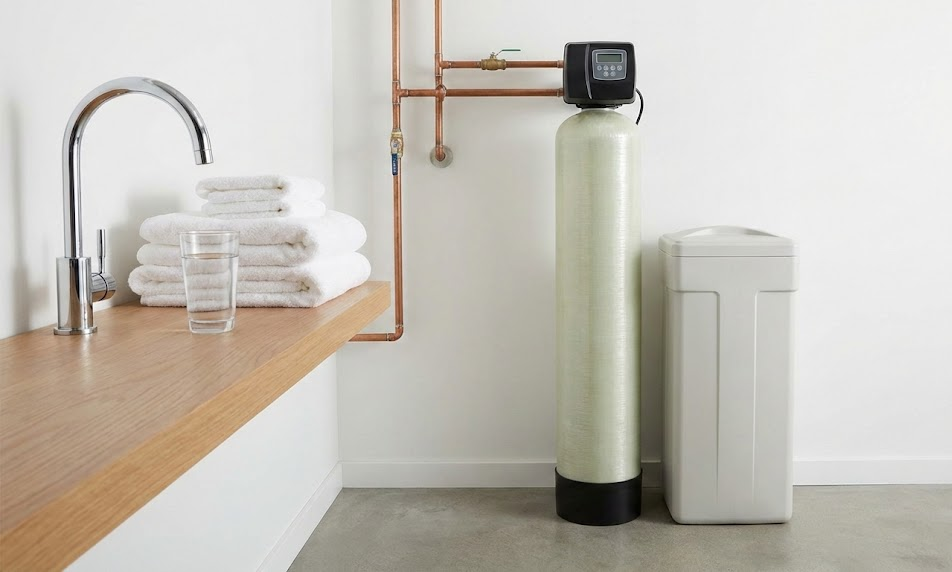
Table of Contents: What You Will Learn
| Section | Key Points Covered |
| Introduction | Why hard water causes problems and how to fix them easily. |
| 1. What Is a Water Softener System? | Understanding the basic idea behind soft water in your home. |
| 2. How Does It Work? | A simple look at resin beads, salt, and ion exchange. |
| 3. Signs You Need One | Spotting dry skin, cloudy dishes, and crusty faucets early. |
| 4. The Hidden Costs of Hard Water | How bad water damages pipes and ruins your expensive appliances. |
| 5. Top Benefits to Enjoy | Softer hair, brighter clothes, and saving money on soap. |
| 6. Types You Can Buy | Salt-based, salt-free, and dual-tank options explained simply. |
| 7. Choosing the Best One | How to pick the right size and grain count for your family. |
| 8. The Installation Process | What to expect when putting the unit into your plumbing. |
| 9. Simple Maintenance Tips | How to check the salt level and keep the tank clean. |
| 10. How Long Do They Last? | Expected lifespan and tips to make your unit last longer. |
| 11. A Real-Life Example | A story about how soft water changed a friend’s home. |
| 12. Environmental Impact | Understanding salt waste and how to be more eco-friendly. |
| Conclusion | Final thoughts and your next steps to get better water. |
| Frequently Asked Questions | Quick answers to six of the most common water questions. |
Do you ever step out of the shower and feel like your skin is tight, dry, and itchy? That is a very common problem when you have hard water flowing through your home. Hard water has too many tiny rocks and minerals in it, like calcium. These tiny rocks stick to your skin and hair every time you wash. They also stick to your favorite clothes and your clean dishes. The easiest way to stop this is to install a water softener system. It takes the bad minerals out of your water. This makes your whole house feel so much better and cleaner.
Have you ever pulled a clean glass out of the dishwasher, only to find it covered in cloudy white spots? That is another classic sign of hard water causing trouble in your kitchen. Those spots are left behind when the hard water dries. It can be very frustrating to wash dishes twice just to make them look clean. When you use a good water softener system, those annoying white spots disappear completely. Let us talk about how this amazing machine works and why you might need one right now to protect your home.
1. What Is a Water Softener System?
You might be wondering what exactly this machine is and what it does for your house. Think of it as a giant filter for your home’s main water supply line. Before the water goes to your sinks or showers, it must pass through this special tank. The water softener system traps the bad minerals that make your water hard. It catches the calcium and magnesium so they never reach your faucets. When the water finally comes out of your tap, it is totally clean, soft, and safe to use.
Hard water is not dangerous to drink, but it is terrible for your house and your body. When water is soft, it feels smooth and slippery on your hands. It does not leave a messy film on your skin or your bathtub. A great water softener system changes the water right as it enters your home. This means every single pipe, sink, and shower gets the good, soft water. You do not have to put tiny filters on every single sink anymore. It handles everything in one place for your whole family.
2. How Does a Water Softener System Work?
The way this machine works is actually very simple and quite clever. Inside the main tall tank, there are millions of tiny little plastic beads. These beads are very thirsty for hard minerals like calcium. When the hard water flows over these little beads, the minerals stick tightly to them. The water softener system holds onto the bad stuff and lets the good, clean water keep flowing. This process is called an ion exchange, which is just a fancy way to say it trades bad minerals for good ones.
Eventually, those little plastic beads get totally covered in hard rocks and cannot catch anymore. That is when the second tank, which is full of salt and water, comes in to help. The salty water washes over the plastic beads and cleans all the hard rocks off of them. The machine flushes the bad minerals down the drain so they are gone forever. Then, your water softener system is perfectly clean and ready to soften more water again. It does this cleaning job all by itself, usually in the middle of the night while you sleep.
3. Signs You Need a Water Softener System at Home
One of the biggest clues that you need to change your water is how your skin feels. If you have to use a lot of lotion after every shower, your water is probably too hard. The hard minerals wash away your body’s natural oils, leaving you feeling dry and scratchy. Another big clue is your hair feeling like straw, no matter what shampoo you use. Adding a water softener system to your home can fix these personal care problems almost overnight. You will notice the difference the very next time you take a shower.
You should also look closely at your sinks, shower doors, and shower heads. Do you see hard, crusty white buildup around the metal faucets? That crust is calcium, and it is very hard to scrub off with normal soap. You might also notice that your soap does not make very many bubbles when you wash your hands. Hard water fights against soap, so you have to use a lot more of it to get clean. If you see these messy signs, a water softener system is definitely a smart choice for your home.
4. The Hidden Costs of Hard Water
Hard water does more than just make your skin dry; it also steals your money. Because hard water fights against soap, you end up buying much more soap, shampoo, and laundry detergent. You have to pour extra soap into the washing machine just to get your clothes clean. Over a whole year, buying all that extra soap adds up to a lot of wasted money. A good water softener system pays for itself over time by helping you use less soap. You will only need a tiny drop of soap to make lots of suds.
The hidden costs go even deeper when you think about the pipes inside your walls. The hard rocks in the water slowly build up inside your pipes, making them clog up. This buildup also happens inside your expensive water heater, your dishwasher, and your washing machine. When machines get full of rocks, they have to work harder and they break down much faster. By installing a water softener system, you protect your expensive home appliances from breaking early. You will save hundreds of dollars because you will not have to buy new machines as often.
5. Top Benefits of Using a Water Softener System
The best part about getting soft water is how much better you will feel every day. Your skin will finally feel soft and smooth without needing tons of thick lotion. Your hair will be shiny, easy to brush, and full of life instead of looking dull. Your clothes will come out of the dryer feeling fluffy, and the colors will stay bright for much longer. Having a water softener system means your favorite shirts will not get ruined and faded in the wash. Everything simply feels better when the water is nice and soft.
Another huge benefit is that cleaning your house becomes so much easier and faster. You will not have to scrub those annoying hard water spots off your glass shower doors anymore. Your sinks and toilets will stay shiny and clean for a much longer time. You will spend less time cleaning up gross bathroom messes and more time doing things you love. Investing in a water softener system is like giving yourself the gift of free time. Your house will look much cleaner without you having to work so hard at it.
6. Types of Water Softener Systems You Can Buy
When you start looking to buy one, you will see a few different types in the store. The most common type uses big bags of salt to clean the little plastic beads inside. These salt-based machines are very strong and work perfectly for homes with very hard water. They completely remove all the nasty rocks from the water so it is totally soft. If you want the classic, slippery soft water feel, a salt-based water softener system is your best choice. They are reliable, easy to find, and loved by most homeowners.
There are also machines that do not use any salt at all, which are called water conditioners. These salt-free machines do not actually remove the hard rocks from your water. Instead, they change the shape of the rocks so they do not stick to your pipes or sinks. Your water is technically still hard, but it will not cause as much crusty damage to your home. Finally, there are dual-tank machines for very big families that need lots of soft water all day long. A dual-tank water softener system never runs out of soft water, even when it is cleaning itself.
7. How to Choose the Best Water Softener System for Your Family
Picking the right machine means you have to know how much water your family uses every day. If you have a big family with lots of kids, you need a bigger machine. You also need to know exactly how hard your water is right now. You can buy a cheap water testing kit at the store to find out your water’s hardness number. Choosing the correct water softener system size is very important for it to work right. If you buy one that is too small, it will wear out much too fast.
When you look at the boxes in the store, you will see a number called “grain capacity.” This big number tells you how many hard rocks the machine can hold before it needs to clean itself. A common size is 30,000 to 40,000 grains, which is great for a normal house with four people. If you have a huge house with six bathrooms, you will need a much bigger grain number. It is always a good idea to ask a friendly store worker to help you match a water softener system to your family’s needs.
8. The Installation Process for a Water Softener System
Putting this machine into your house is a big job that connects right to your main water pipes. Most people choose to hire a professional plumber to do the heavy lifting and pipe cutting. The plumber will find the spot where the water comes into your house, usually in the garage or basement. They will cut the pipes and attach the water softener system so all the water flows through it. A pro can usually finish the whole job in just a few hours, leaving no mess behind.
If you are very good with tools and plumbing, you might be able to install it yourself. You will need to know how to cut copper or plastic pipes safely without causing major leaks. You also need a nearby electrical plug to give the machine power to run its computer brain. Plus, you need a drain hole nearby where the machine can flush away the salty, dirty water. If you make a mistake while installing your water softener system, you could flood your house, so be careful. When in doubt, always call a plumber to be safe.
9. Simple Maintenance Tips for Your Water Softener System
Once your new machine is running, you have to do a little bit of work to keep it happy. The most important job is checking the salt tank every month to make sure it is not empty. If the salt runs out, the machine cannot clean itself, and your water will get hard again. You just need to buy heavy bags of salt from the hardware store and pour them in. Keeping your water softener system full of good salt is the secret to having great water all year long.
Sometimes, the salt inside the tank can stick together and form a hard crust, like an ice bridge. If this happens, the water under the bridge cannot touch the salt, so it stops working. You can fix this easily by taking a broom handle and gently poking the salt to break the bridge. You should also clean the inside of the salt tank out once a year to wash away dirt. Taking good care of your water softener system takes only a few minutes, but it saves you big headaches.
10. How Long Does a Water Softener System Last?
If you take good care of your machine, it will work hard for your family for a very long time. A normal unit built today will usually last anywhere from ten to fifteen full years. The computer brain on top of the tank is usually very tough and rarely breaks down. However, the little plastic beads inside the main tank will eventually get old and worn out. When the beads get too old, your water softener system will not be able to catch the hard rocks anymore.
To help your machine live longer, always use high-quality, clean salt without too much dirt in it. Dirty salt leaves mud in the bottom of the tank that can clog up the tiny hoses. Also, try to make sure your machine is not sitting in the hot sun or out in the freezing snow. Extreme weather can crack the plastic tanks and ruin the moving parts very quickly. Giving your water softener system a safe, dry place to live will help it last past fifteen years.
11. Real-Life Example: My Friend’s Switch to Soft Water
I want to share a quick story about my neighbor who struggled with terrible hard water for years. Her kids always had itchy skin, and her glasses always looked super dirty right out of the dishwasher. She spent so much money buying fancy lotions and special dish soaps to hide the bad water problems. Finally, she decided to bite the bullet and buy a brand new machine for her home. The day after her water softener system was installed, everything changed for the better.
She told me that her first shower with the new water felt like going to a luxury spa. The soap made giant mountains of bubbles, and her hair brushed out smooth without any painful tangles. A week later, she noticed her dishwasher was actually getting the dishes sparkling clean with no spots at all. She was so happy that she wondered why she had waited so long to fix the problem. Her water softener system made her home feel clean, peaceful, and comfortable again.
12. Environmental Impact of a Water Softener System
It is also important to talk about how these machines affect the earth and our local water. Because salt-based machines use extra water to wash themselves out, they do send salty water down the drain. This salty waste water goes back into the city water plant, which can sometimes be hard to clean. Some towns even have rules about what kind of machines you are allowed to use. If you want a water softener system, it is smart to check your local town rules first.
The good news is that modern machines are much smarter than the old ones from twenty years ago. The new ones have smart computers that only clean the tank exactly when it needs it. This saves a lot of salt and stops extra water from being wasted down the drain. If you care deeply about the earth, you might look into the salt-free machines we talked about earlier. No matter what, a modern water softener system uses less energy and less salt than ever before.
Conclusion
Dealing with hard water is a frustrating chore that ruins your clothes, dries out your skin, and breaks your appliances. You do not have to live with itchy skin or cloudy drinking glasses forever. By installing a high-quality machine, you trap those bad minerals before they can cause any damage inside your home. It saves you money on soap, protects your plumbing, and makes every shower feel amazing. A reliable water softener system is one of the best upgrades you can ever buy for your house.
Are you ready to stop scrubbing hard water spots and start enjoying smooth, clean water every single day? Reach out to a local water expert today to get your home’s water tested for free!
Frequently Asked Questions
1. Is it safe to drink water from a water softener system?
Yes, it is perfectly safe for most people to drink. The machine does add a very tiny bit of sodium to the water during the cleaning process. However, the amount of sodium is very small, much less than what is in a slice of bread. If you are on a very strict, doctor-ordered low-sodium diet, you should talk to your doctor first.
2. How much does it cost to buy one?
The price depends on the size and the brand you pick. A basic machine from a hardware store usually costs between $400 and $800. If you pay a professional plumber to install it, the total cost might be around $1,500 to $2,000. It is a big purchase, but it saves you money on soap and broken appliances later.
3. Does soft water make your skin feel slippery?
Yes, and this is totally normal! Hard water leaves a sticky soap scum on your skin that makes you feel “squeaky” clean. Soft water washes all that scum away, leaving your skin’s natural oils behind. That smooth, slippery feeling just means your skin is truly clean and fully hydrated.
4. How often do I need to add salt to my water softener system?
For a normal family of four, you will usually need to add one bag of salt every month. You should check the salt tank every few weeks to make sure it is at least half full. If you use a lot of water for laundry or long showers, you might need to add salt faster.
5. Will a softener fix my home’s water pressure?
If your water pressure is low because hard rocks have clogged your pipes, a softener will stop it from getting worse. However, it cannot clean out the old rocks that are already stuck inside your walls. You will need a plumber to fix the old clogged pipes to get your pressure back.
6. Can I take my machine with me if I move to a new house?
Yes, you certainly can take it with you! You or a plumber can disconnect the machine from your old plumbing lines. Then, you just put it in the moving truck and install it at your new house. Just remember to connect the old pipes back together so the old house still has running water.