What Does Contingent Mean on a House for Sale? [2026 Buyer’s Guide]
What Does Contingent Mean on a House for Sale? The Ultimate Real Estate Roadmap
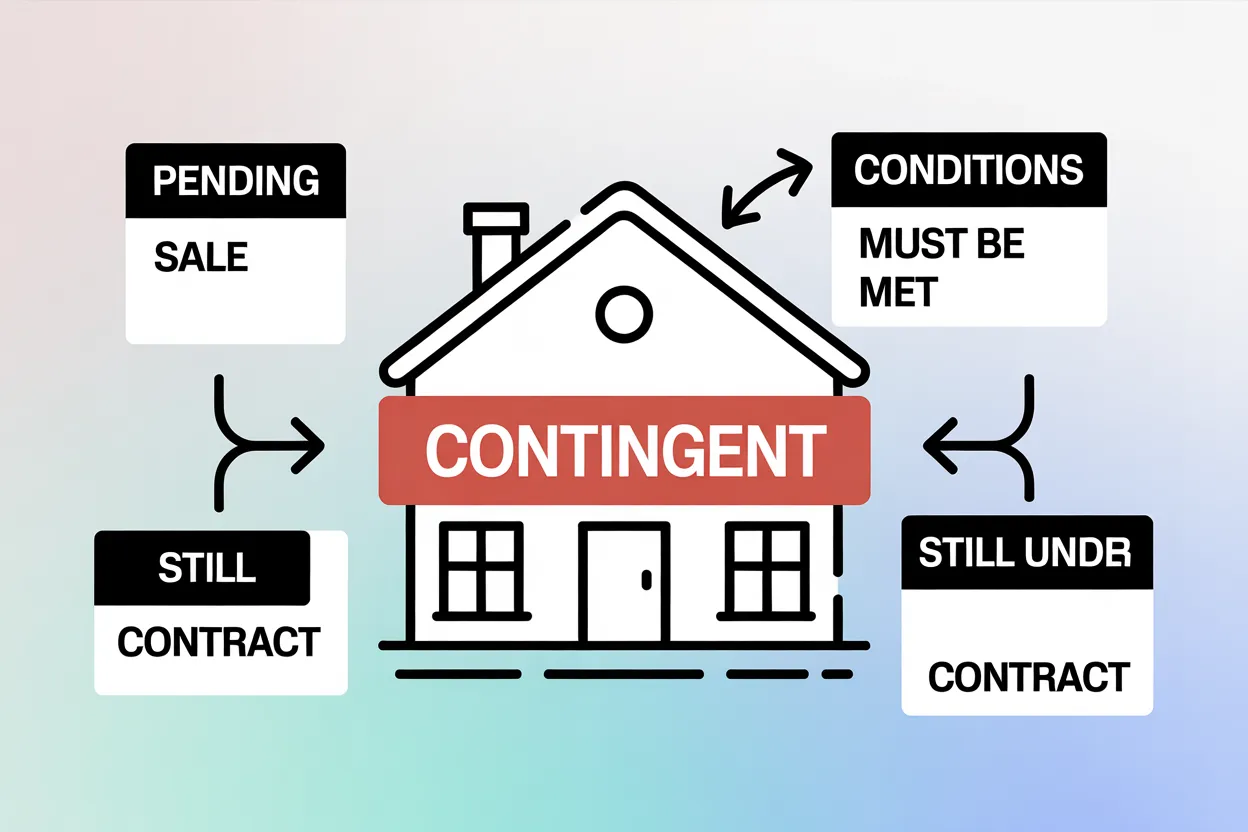
Finding a home you love only to see a “Contingent” tag can be frustrating. You might feel like you missed out on your dream property. However, understanding what does contingent mean on a house for sale can actually give you a massive advantage. In the American real estate market, this status simply means an offer is on the table, but it isn’t a “done deal” yet. There are still many hurdles to jump before the keys change hands.
The word “contingent” acts as a protective shield for both the buyer and the seller. It signals that the sale depends on specific conditions being met within a set timeframe. If these conditions—like a bank loan or a home inspection—don’t go perfectly, the house goes right back on the market. For a smart buyer, this means there is still a chance to jump in. For a seller, it represents a period of careful verification and waiting for the finish line.
Quick Comparison: Contingent vs. Pending vs. Under Contract
| Status | Can You Still Buy It? | Risk Level for Seller | Meaning in Simple Terms |
| Contingent | Yes (Backup Offer) | Moderate | Offer accepted, but conditions remain. |
| Pending | Unlikely | Low | All conditions met; waiting for paperwork. |
| Under Contract | Possible | Variable | General term for any signed agreement. |
| Active | Yes | High | No offers accepted; open to everyone. |
The Core Basics: What Does Contingent Mean on a House for Sale?
When you ask what does contingent mean on a house for sale, think of it as a “conditional yes.” The seller has agreed to the price, but the buyer has a list of requirements. These requirements are legal “out” clauses. If the buyer can’t get a loan or the house has a leaky roof, they can walk away. They even get their deposit money back. This status keeps the process honest and prevents people from being forced into bad investments.
In most US states, once a house is contingent, the seller stops actively marketing it to new people. However, they are usually still allowed to take “backup offers.” This is why you shouldn’t give up immediately. If the first buyer’s plan falls apart, the seller will look for the next person in line. Understanding this stage of the process is the first step toward winning in a competitive housing market like California, Texas, or Florida.
Why Real Estate Contingencies Protect Your Money
Contingencies are not just red tape; they are financial lifesavers. Imagine buying a house and finding out the foundation is cracked the day after you move in. Without a contingency, you would be stuck with a massive repair bill. By using these clauses, you ensure that the house is worth the price you are paying. It gives you the power to renegotiate or leave if the deal turns sour. This is why almost every standard contract includes them.
Most Common Types of Contingencies
- Home Inspection: Allows a pro to check for hidden damage.
- Appraisal: Ensures the home value matches the loan amount.
- Mortgage Financing: Protects you if your bank loan is denied.
- Title Search: Proves the seller actually owns the land legally.
- Home Sale: Used when you must sell your current house first.
- Radon/Pest: Specifically checks for health hazards or bugs.
Detailed Breakdown of the Home Inspection Clause
The inspection is usually the first big hurdle. A professional inspector walks through the house for 3 to 4 hours. They check the roof, the electrical wires, the plumbing, and the foundation. If they find major issues, the buyer can ask for a lower price. This is where many deals fall apart. If the seller refuses to fix a “deal-breaker” issue, the buyer uses their contingency to cancel the contract and find a better home.
The Role of the Appraisal Contingency
Banks will never lend you more money than a house is actually worth. An appraiser is a neutral third party who decides the fair market value. If you offer $400,000 but the appraiser says it’s only worth $380,000, there is a “gap.” You must either pay the $20,000 in cash or get the seller to lower the price. If neither happens, the appraisal contingency lets you walk away with your earnest money safe in your pocket.
Contingency Deadlines: What to Expect
| Task | Typical Timeline | Why It Matters |
| Home Inspection | 7–10 Days | Fast turnaround to check for defects. |
| Appraisal | 14–21 Days | Needed for the bank’s final approval. |
| Loan Commitment | 21–30 Days | The final “Yes” from your mortgage lender. |
| Title Review | 10–14 Days | Ensures no one else has a claim on the home. |
Financing Contingency: Your Safety Net for Loans
Getting “pre-approved” for a loan is great, but it isn’t a guarantee. The bank still has to do a deep dive into your taxes and bank statements. Sometimes, things go wrong at the last minute. Maybe interest rates went up, or your debt-to-income ratio changed. The financing contingency is the most important one. It ensures that if the bank says “No,” you aren’t legally forced to buy a house you can’t afford. It protects your life savings.
The Tricky “Home Sale” Contingency
This is the hardest contingency to get a seller to accept. It means the buyer will only buy the new house if they sell their old one first. Sellers hate this because it puts their timeline in the hands of a stranger. If you are in a “hot” market, having this clause might make your offer less attractive. However, for many families, it is a necessary part of moving without carrying two mortgage payments at the same time.
How to Make Your Offer Stronger (Even With Contingencies)
- Increase Earnest Money: Offer a larger deposit to show you are serious.
- Shorten Timeframes: Offer to finish inspections in 5 days instead of 10.
- Pre-Underwritten Loan: Get a deeper bank approval before you shop.
- Personal Letter: Sometimes a nice note to the seller helps (in some states).
- Limit Repairs: Tell the seller you only care about major structural issues.
Understanding the “Kick-Out” Clause for Sellers
When a seller accepts a home sale contingency, they often add a “Kick-Out Clause.” This allows the seller to keep showing the house to other people. If a new buyer comes along who doesn’t need to sell a house first, the seller can “kick out” the first buyer. The first buyer usually has 48 to 72 hours to remove their contingency or let the house go. This creates a fair balance for both the buyer and the seller.
Why Do Contingent Deals Fail?
Research shows that about 5% to 10% of contingent deals never reach the closing table. The most common reason is the inspection uncovering a “money pit.” The second most common reason is a buyer losing their job or having their loan denied. Sometimes, a buyer just gets “cold feet” and finds a reason to use a contingency to exit. Knowing what does contingent mean on a house for sale helps you realize that the deal isn’t over until the paperwork is signed.
Pros and Cons for the Home Buyer
Being in a contingent contract is stressful but rewarding. The “pro” is that you have a legal right to inspect the property and change your mind. The “con” is that you are in a period of uncertainty. You are spending money on inspectors and appraisers without knowing for sure if you will own the home. It is a calculated risk that almost every homeowner in the USA has taken at some point in their life.
Pros and Cons for the Seller
| Pros for Sellers | Cons for Sellers |
| Locks in a potential buyer. | The house is effectively off the market. |
| Provides a clear path to closing. | Risk of the deal failing due to inspection. |
| Shows the market the price is fair. | Delay in receiving the final sale profits. |
Can You Outbid a Contingent Offer?
You can’t exactly “outbid” someone who is already under contract, but you can submit a “Backup Offer.” If you offer more money or better terms than the current buyer, the seller might be more likely to use a “kick-out” clause or look for reasons to end the first deal. Being a backup buyer is a great strategy in a low-inventory market. Many people have won their homes simply by being the patient person waiting in the second-place spot.
The Difference Between “Contingent” and “Pending”
While both terms mean the house is under contract, “Pending” is a much stronger status. A pending home has usually passed the inspection and the appraisal. The buyers have their loan ready, and everyone is just waiting for the title company to finish the paperwork. If a house is pending, your chances of buying it are nearly zero. If a house is contingent, there is still a 1 in 10 chance it will become available again. Always check the specific status!
Different Types of Contingent Statuses on Zillow/MLS
- Contingent – Show: The seller is actively looking for backup offers.
- Contingent – No Show: The seller is confident and not showing the home.
- Contingent – Release: The buyer has a very short time to meet conditions.
- Contingent – Short Sale: The bank must approve the deal, which takes months.
How to Win as a Buyer in 2026
To win a home today, you need to be fast and smart. Understanding what does contingent mean on a house for sale allows you to see opportunities where others see “Sold” signs. Always have your agent call the listing agent for every contingent property you love. Ask them, “How solid is the current offer?” Sometimes the agent will tell you the buyer is struggling with their loan. That is your cue to move in with a strong, clean backup offer and steal the win.
The Importance of a Good Real Estate Agent
You should never navigate contingencies alone. A great agent knows how to write these clauses so you are protected but still look attractive to the seller. They know the local “norms”—for example, in some cities, a 7-day inspection is standard, while in others, 15 days is normal. Your agent is your negotiator and your shield. They ensure that you don’t miss a deadline and lose your deposit, which can be thousands of dollars.
Final Summary: Navigating the Path to Ownership
In the end, a contingent status is just a bridge between an offer and a sale. It is a period of “trust but verify.” For buyers, it is a time to be diligent and careful. For sellers, it is a time to be patient and helpful. By knowing exactly what does contingent mean on a house for sale, you can remove the mystery from the process. You can move forward with a clear plan, knowing your money and your future home are protected by law.
Frequently Asked Questions (FAQs)
1. Can a seller accept another offer while contingent?
Yes, but usually only as a backup offer. They cannot cancel the first contract just because a better one came along, unless there is a specific “kick-out” clause. The first buyer has the legal right to finish their tasks first.
2. Is “Contingent” better than “Pending”?
For a buyer looking for a house, “Contingent” is better because it means there is still a chance the deal will fail. For a seller, “Pending” is better because it means they are much closer to getting paid.
3. Do I lose my deposit if I back out during contingency?
No! That is the whole point of a contingency. If you back out for a reason covered by your contract (like a bad inspection), you get your earnest money deposit back in full.
4. How often do contingent houses come back on the market?
It happens about 10% of the time. While most deals go through, many fall apart due to hidden home damage or sudden changes in the buyer’s financial situation or credit score.
5. Can I skip contingencies to win a bidding war?
You can, but it is very risky. “Waiving contingencies” makes your offer very strong, but it means you are buying the house “as-is.” If the roof leaks or the loan fails, you lose your deposit.
6. What does “Contingent with no kick-out” mean?
This means the seller has agreed to wait for the buyer to meet their conditions without looking for other offers. The seller cannot “kick” the buyer out even if a better offer comes along later.
Conclusion: Take Action on Your Dream Home
Now that you know what does contingent mean on a house for sale, you are ready to enter the market like a pro. Don’t let a status tag scare you away from a house you love. Talk to your agent, ask about the “contingency period,” and consider placing a backup offer. Success in real estate goes to those who stay informed and stay persistent. Your dream home might be just one contingency away!